


According to a 2017 study published in the journal Nutrients, mangos have an impressive vitamin content that contributes to overall health. They are rich in potassium (4 percent in 156 mg) and magnesium (2 percent in 9 mg). Mangos are vitamin powerhouses, rich in B-vitamins, vitamin A, vitamin C, vitamin E, and vitamin K. These components help you avoid a host of diseases that can come from deficiencies of these micronutrients. Powerful antioxidants in mangos can help neutralize free radicals throughout the body and help prevent heart diseases, premature aging, cancer and many other degenerative diseases.
 Mangos have high amounts of pectin, a soluble dietary fiber that helps to lower cholesterol. Pectin can also help prevent the development of prostate cancer. Recently, studies at The Institute for Food Research discovered that a compound within pectin combines with galectin 3-a protein playing a significant role in all the stages of cancer. The European Prospective Investigation of Cancer has also come up with a strong association between mango and lowering the risk of cancer of the gastrointestinal tract. Further, comprehensive research published in the Journal of Nutrition Research suggests that the polyphenols in mango have a chemotherapeutic potential against breast cancer.
 Eating and combining mangos into other dishes is one of the easiest ways to promote weight gain if that is what you desire. Less than one cup of mango (150 grams) has around 86 calories, which can be absorbed easily by the body. Mangos contain starch, which transforms into sugar and aids in gaining weight. Mango milkshake will accelerate the process of gaining weight since it contains sugar, as well as fat and protein from milk. It is also notoriously delicious!
 Although many people consider mango not suitable for an upset stomach, research shows otherwise. As per a 2018 animal study in the Journal Food and Function, mangos contain dietary pectin that helps regulate digestion. Mangos play a prominent role in eliminating problems such as indigestion and excess acidity. The digestive enzymes in mangos (such as amylase enzyme mangiferin) work to promote natural, efficient digestion. The bioactive ingredients in mangos like esters, terpenes and aldehydes contribute in enhancing appetite, and also improve the function of the digestive system.
 Mangos are rich in iron, which makes them beneficial for people suffering from anemia. A regular, moderated intake can help reduce the possibility of developing anemia by increasing the red blood cell count in the body. The tonic made from mangos in Chinese herbal medicine is known to many as yin tonic and it is used to treat anemia, bleeding gums, cough, constipation, nausea, fever, seasickness and as a cure for weak digestion.
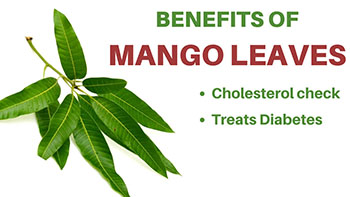
Mangos are thought to be an effective homemade remedy for treating acne. By applying the pulp topically to the skin, it can open the clogged pores of the skin. Once these pores are opened, acne formation will eventually stop. Unclogging the pores of the skin is the most effective way to eliminate acne. To enjoy this benefit, there is no need to eat them every day; you need to remove the pulp and apply it on the skin for around 10 minutes, then rinse it off. However, excessive intake of mango may not be beneficial for people who are prone to skin breakouts. The book Herbilogy Three Traditional Medicines for Acne recommends moderate consumption of mangos for people with acne problems as per Chinese traditional medicine. The mango leaves are reddish or purplish when tender and new, and grow into a dark green color and have a pale underside. These leaves are rich in vitamin C, B and A. They are also rich in various other nutrients. The mango leaves have powerful antioxidant properties as they have a high content of flavonoids and phenols.
The mango leaves are very useful for treating diabetes. The tender leaves of the mango tree contain tannins called anthocyanidins, which help in treating early diabetes. The leaves are dried and powdered, or used as an infusion to treat the same. It also helps to treat diabetic angiopathy and diabetic retinopathy. Mango tea leaves are very good for this purpose. Soak the leaves in a cup of water overnight. Strain and drink this water to help relieve the symptoms of diabetes. It also helps treat hyperglycemia. The leaves contain a compound called 3beta-taraxerol, and ethyl acetate extract which synergize with insulin to activate GLUT4 and stimulate the synthesis of glycogen.
These leaves help lower the blood pressure as they have hypotensive properties. They help in strengthening the blood vessels and treating the problem of varicose veins.
For people suffering from restlessness due to anxiety, the mango leaves provide a good home remedy. Adding two to three glasses of mango leaf tea to the bath water helps treat uneasiness and refreshes the body.
The mango leaves help treat kidney stones and gallstones. The daily intake of a finely ground powder of mango leaves, which are dried in the shade, with water kept in a tumbler overnight, helps in breaking the stones and flushing them out.
The mango leaves are good for all kinds of respiratory problems. It is especially useful for people suffering from cold, bronchitis and asthma. Drinking a decoction made by boiling mango leaves in water with a little honey helps to cure cough effectively. It also helps in curing voice loss.
They are very help in treating bleeding dysentery. The leaves dried in a shade should be powdered and then be taken with water two to three times a day to stop dysentery.
Ear ache can be quite irritating. Using this home remedy provides good relief. A teaspoon of juice extracted from mango leaves as eardrops provides relief from earache. Heat the juice slightly before using it.
To heal burns on the skin and scalds, burn a handful of mango leaves to ashes. Apply this ash on the affected area. It provides instant relief.
If you are suffering from hiccups or throat problems, mango leaf is a good home remedy. Burn a few mango leaves and inhale the smoke. This helps to cure hiccups and throat problems.
Put some mango leaves in warm water, close the container with a lid, and leave it overnight. The next morning filter the water and drink it on an empty stomach. The regular intake of this infusion acts as a good stomach tonic and helps prevent various stomach ailments. Since the leaves of mango tree are available throughout the year, using them for home remedies is easy. The antioxidant and antimicrobial properties help treat various ailments efficiently.